While your team works from almost anywhere, a 405 area code phone number gives your company a familiar regional identity. Choose your number through Omnivoice and start building a clearer local identity.
Where is the 405 Area Code Located?
Among regional codes, the 405 area code covers a broad metropolitan area and nearby communities, giving businesses a local phone number tied to a major commercial region.
Areas Served
The 405 area code serves a large part of central Oklahoma and covers Oklahoma City and nearby communities, including Edmond, Norman, Moore, Midwest City, Stillwater, Shawnee, Guthrie, and Chickasha.
The service area also extends across all or parts of several counties, including Oklahoma, Cleveland, Canadian, Logan, Payne, Pottawatomie, and Grady. As a result, the code reaches well beyond the Oklahoma City urban core.
Oklahoma City has an estimated population of roughly 720,000. The regional economy includes aerospace, bioscience, energy, logistics, government, and business services, creating opportunities for contractors, professional firms, healthcare providers, and other SMBs. A 405 number can support regional recognition without requiring every employee to be based in the metropolitan area.
Time Zone
Area code 405 operates in the Central Time Zone and observes daylight saving time, as do the surrounding regional area codes in much of the state. Businesses should schedule outbound calls and support coverage around the local working day rather than assuming when customers will call. Omnivoice Business Hours can route after-hours calls to voicemail or another configured path.
Is It Toll-free?
No, a 405 area code is location-based, not toll-free. Calling costs depend on the caller’s carrier and plan, while the business pays for its Omnivoice service and applicable charges. Genuine toll-free codes include 800, 833, 844, and 888; toll-free numbers are designed so callers are not charged directly for the call.
Why Does Local Area Code Matter?
Local area codes give customers a geographic cue before the conversation starts. Area codes do not prove where a company is physically based, but they can support a sense of familiarity when the business actually serves the market.
- Familiar caller context. Customers may be more comfortable answering a number that uses area codes they already see in their community. For outbound sales or appointment reminders, that familiarity can make the call feel more relevant.
- A clearer regional identity. A regional line connects your contact details with the market without claiming a physical office. This is useful for mobile services, remote teams, and companies entering a local market gradually.
- Consistent business contact details. A dedicated business phone number can appear on your website, invoices, ads, and customer records instead of a personal mobile line. That consistency makes it easier for customers to save and recognize the same contact point.
- Better separation between work and personal calls. A business number keeps local customer calls apart from your private line while still letting you answer on devices you already use. Small teams can manage calls without carrying a second phone.
- Relevance across the metro. Businesses serving Edmond, Norman, and nearby communities can use a 405 area code phone number as one shared contact point. It can present one regional contact across several service areas.
How to Get a 405 Area Code Number for Your Business?
Omnivoice lets you select phone numbers from available inventory and set call handling rules online. You can search area codes by market without installing a traditional line.
- Choose the city or search by the area code among available phone numbers.
- Pick an available 1-405 number for your business.
- Configure call flow, greetings, business hours, routing, or voicemail.
- Make a test phone call for inbound and outbound calling.
- Start using the new line for customer calls.
Why Get a 405 Phone Number from Omnivoice
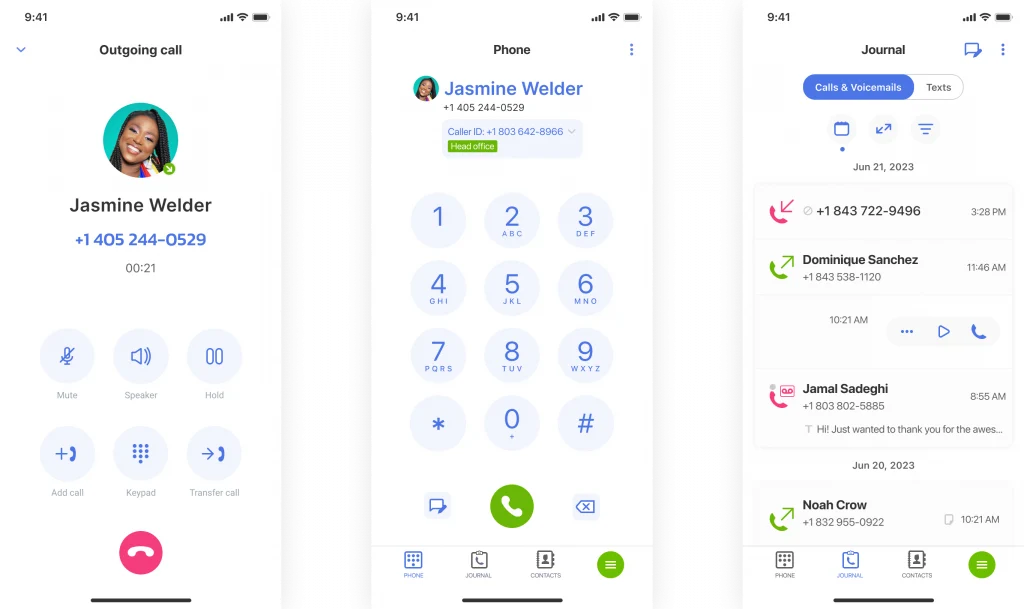
Omnivoice combines regional phone numbers with call management tools for small businesses and teams serving one or several phone area codes. A 405 number can work as a shared business contact while your team manages calls, routing, and customer communication through the web panel and supported apps.
Local Presence Without a Local Office
A virtual line with the 405 area code can represent the region while team members work elsewhere. Companies serving Norman, Edmond, and nearby communities can keep one regional contact point.
Keep Your Personal Number Private
A separate work line lets you publish a business contact without sharing your personal mobile number. This suits owners who want one device but separate personal and business calling.
Answer from More Than One Device
The Omnivoice webphone can make and receive calls through a browser, and the service also supports mobile apps. Your team can handle the line from the devices that fit their workday instead of one desk.
Flexible Call Routing
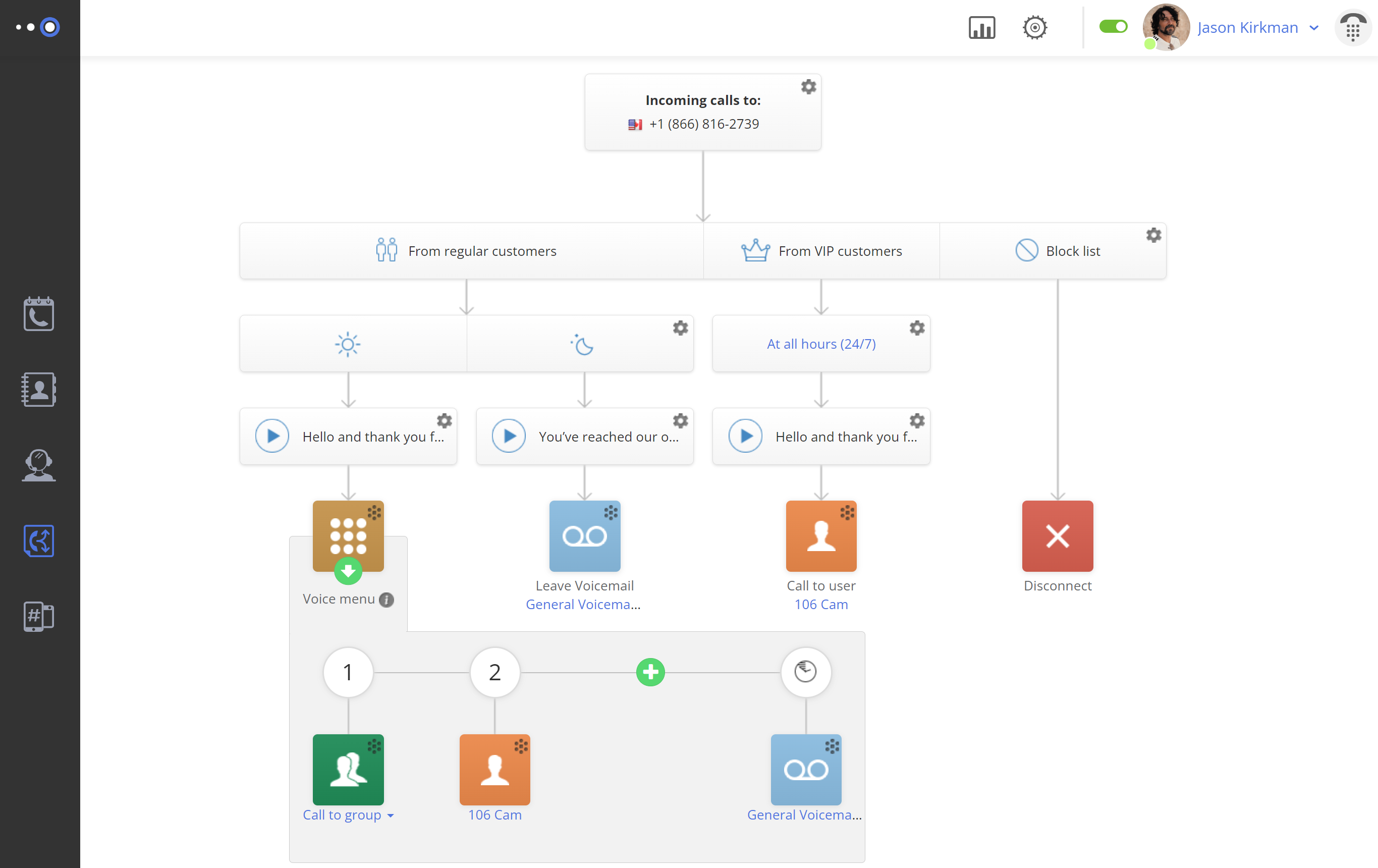
Call routing can send inbound calls to a user, group, voicemail, IVR, queue, or another configured destination. Teams can direct each phone call according to their workflow.
Keep Customer Conversations Organized
The Omnivoice VoIP system keeps calls, texts, voicemails, and call recordings in a shared communication history that authorized team members can access from different locations. This makes it easier to review previous conversations before following up with a customer and gives staff useful context when another team member handled the earlier contact.
Start Small and Add Capacity
Omnivoice currently offers Solo, Team, and Company plans with different user and talk-minute allowances. A small operation can change plans as staffing or call volume changes.
Top Features You Will Get With Your Local Phone Number
A local number is more useful when the phone system can handle more than basic ringing. Omnivoice offers features for routing, answering, recording, and following up on calls.
- Call forwarding. Calls can go to a cell phone, webphone, mobile app, compatible deskphone, or softphone, depending on the plan and setup. Sequential and simultaneous ringing give teams more options for reaching an available employee.
- Multi-Level IVR. Multi-Level IVR lets callers move through several menu levels and choose the option that matches their request. This is useful for businesses with multiple departments, teams, or service categories that need a clearer call-routing structure.
- Call Waiting. Call Waiting notifies you when another call comes in while you are already speaking with a customer. You can place the current call on hold and answer the new one, or continue the conversation while the second caller is directed to voicemail.
- Webphone. The browser-based webphone lets users make and receive business calls with an internet connection and microphone. Remote employees can work with a 405 phone number without having a separate landline at every location.
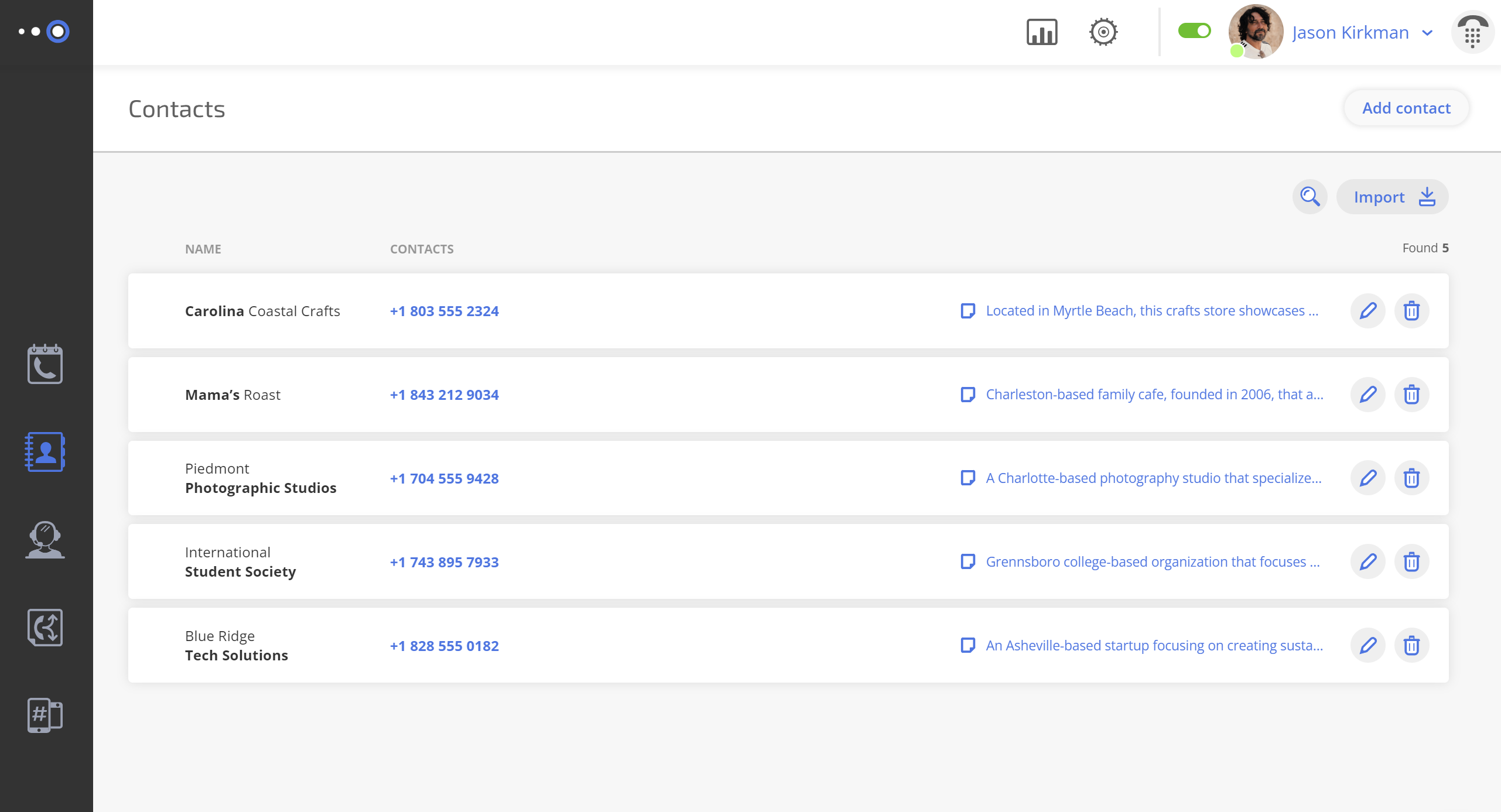
- Business Contact Book. The feature keeps customer details, comments, reminders, and communication history in one shared place. Team members can review past calls, texts, voicemails, and recordings before responding, which helps them keep customer context available across conversations.
You Can Port Your Existing Phone Number
Porting lets you keep a number customers know while moving service to Omnivoice. If you already use a 405 number, you may be able to transfer the line to Omnivoice. Porting depends on eligibility and accurate carrier details.
- Confirm that the current number is eligible for porting.
- Gather the account number, PIN, service address, authorized name, and carrier details.
- Prepare a recent invoice from your current carrier.
- Complete the Letter of Authorization and submit your number porting request with the required information and supporting documents.
- Keep current service active; transfer time varies by carrier, eligibility, and submitted information.
- Test inbound and outbound calls before canceling the old service.
405 Area Code History and Overlays
The 405 area code was one of the original North American Numbering Plan area codes in 1947 and initially served the entire state of Oklahoma. The 918 area code split arrived in 1953, followed by the 580 split in 1997, while later number demand led to the 572 overlay, which now serves the same geographic territory and requires ten-digit dialing for local calls.
| Area Code | Location-Based? | Trust Factor | Known Risks |
|---|---|---|---|
| 405 | Yes — central region | High — long-established and widely recognized locally | New number availability in the original code may be more limited after decades of use |
| 572 | Yes — same geographic territory as 405 | Moderate — valid local overlay but less familiar to some callers | Some recipients may not immediately recognize the newer overlay, and ten-digit dialing is required throughout the overlay region |
Establish a Local Presence in Oklahoma with a 405 Area Code
A local 405 area code can give your company a recognizable point of contact for customers in Oklahoma while helping you keep work and personal phone calls separate. With Omnivoice, you can manage calls, set routing rules, use voicemail, and give team members access to the same business line without relying on a traditional office phone system.
This setup can work well for companies serving one local market as well as teams working with customers across several area codes. Review the current Omnivoice plans, start a trial, and choose a phone setup that matches the way your team handles customer calls.
Other Oklahoma Area Codes Available in Omnivoice
Omnivoice supports additional area codes so you can cover more of the state:
- 539 – Tulsa
- 580 – Lawton
- 918 – Tulsa
Other USA Phone Codes
Businesses serving several states can add market-specific contact points. Omnivoice offers phone numbers for your business across the country:
FAQ
Yes, Omnivoice supports local vanity phone numbers, so you can search for a memorable business number with a desired phone code. Available combinations depend on current number inventory, so your preferred word or digit pattern may not always be available. Use the Vanity search to explore suitable options.
Treat an unknown 405 phone number like any unfamiliar caller: avoid sharing sensitive data until you know who is calling. Let suspicious calls go to voicemail, verify the organization through an independent contact method, and remember that caller ID can be spoofed even when the displayed number looks local.
The number itself can appear as outbound Caller ID, while CNAM is an optional registration for eligible U.S. local numbers. A registered business name may appear on supported carrier networks. Still, the recipient’s carrier, device, and saved contacts affect what is displayed, so a business name is not guaranteed on every call.
A virtual line can send calls to different users, groups, devices, a queue, or voicemail based on your call-flow settings. That gives teams more ways to answer when one person is busy and gives unanswered callers a defined path to leave a message for follow-up.
Yes, if the telephone number directly connects to and is controlled by your business and your Business Profile otherwise meets Google’s eligibility rules. Google recommends a local phone number where possible and does not allow phone numbers that merely redirect users to a different business contact point.


FAST • SECURE • RELIABLE
business communications