With Omnivoice, you can choose a 330 area code number, route business calls to your team, and manage the phone line online without installing a traditional office system. Get your number through Omnivoice and start building a stronger local presence today!
Where is the 330 Area Code Located?
Phone area codes often reflect established regional markets and business communities. For small and medium-sized companies, a recognizable local code can support a stronger regional presence and make the business feel more familiar to local customers and partners.
Areas Served
The 330 area code covers much of northeastern Ohio, including Akron, Canton, Youngstown, Warren, Cuyahoga Falls, Kent, Massillon, Boardman, and many surrounding communities. Its service area extends across substantial parts of Summit, Stark, Mahoning, Trumbull, Wayne, Portage, Medina, Columbiana, and nearby counties, while Cleveland primarily uses other area codes.
Akron, one of the region’s main business centers, has a population of about 190,000. The area includes manufacturing, healthcare, higher education, retail, professional services, and local contractors. Businesses serving these communities can use a 330 phone number as a regional contact point for sales, service, appointments, and customer support.
Time Zone
The 330 area code is in the Eastern Time Zone and observes daylight saving time. Businesses should plan outbound calling and support hours around the local working day. Omnivoice business hours can create separate call paths for open and closed periods, including voicemail or a recorded greeting after hours.
Is It Toll-free?
No, the 330 area code is a location-based phone area code, not a toll-free code. Caller charges depend on the caller’s phone plan, while the business pays for its phone service and applicable fees. Genuine toll-free numbers include 800, 833, 844, and 888; toll-free service is designed so callers are not charged directly for the call.
Why Does Local Area Code Matter?
A local area code can help a business look more connected to the market it serves. It gives customers a familiar geographic reference and can support a stronger local identity across sales, service, and marketing communications.
- Local recognition and regional relevance. A familiar code can make a business number easier for local customers to recognize and connect with a specific market. For example, a 330 area code may feel more relevant to people in northeastern Ohio and can signal that the business serves their region.
- Better fit for local advertising. A local phone number can appear in regional ads, directories, service pages, print materials, and other market-specific promotions. The familiar area code keeps the contact information relevant to the audience seeing the campaign.
- An alternative to a nationwide number. A local code can help a company emphasize its connection to a specific market rather than present a national contact point through a toll-free number. Businesses can choose between the two based on how they want customers to perceive the scope of their service.
- Support for entering a new market. A company expanding into another region can add a virtual local number before opening a separate office there. For example, a business entering northeastern Ohio can use a 330 number for calls related specifically to that market.
- Consistent local caller ID. A local business phone number gives team members one unified regional number to use for customer phone calls. Customers see a consistent business identity tied to the same local market instead of a mix of personal numbers.
How to Get a 330 Area Code Number for Your Business?
Getting a number through the Omnivoice cloud phone system follows a short setup path:
- Search available phone numbers by city or code.
- Pick an available 1-330 option.
- Configure call flows, IVR, voicemail, and any forwarding rules you need.
- Place test inbound and outbound calls, then start using it with customers.
Why Get a 330 Phone Number from Omnivoice
A virtual number can serve as the public contact point for a small business without tying calls to one desk or personal device. Omnivoice combines the 330 number with online call management so that owners can change routing and user settings as their team changes.
Keep Business Communication in One Place
Omnivoice keeps calls, SMS, and voicemails connected to the same business phone setup instead of spreading them across personal devices and separate services. This makes it easier for a team to maintain a consistent record of customer interactions and keep business communication separate from personal use.
Start Without Traditional Phone Hardware
A VoIP phone system can work without installing a traditional office phone setup or dedicated phone lines. Teams can use devices they already have, such as computers and smartphones, which makes setup more practical for small businesses, hybrid teams, and companies without a permanent office.
Support a Distributed Team
A virtual 330 number lets employees handle calls for the same northeastern Ohio market even when they work from different locations. Remote and distributed teams can stay connected to one regional customer base without requiring every employee to work from the same office.
Keep Business and Personal Calling Separate
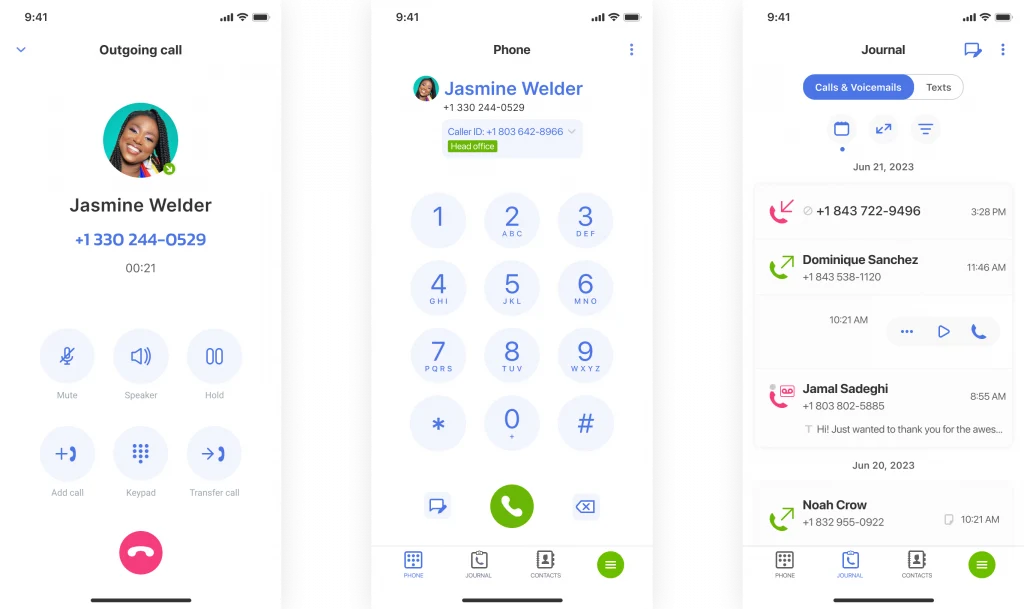
The mobile app and webphone let users place business calls through the company line rather than handing out a personal phone number. This is useful for owners and employees who work from home or travel.
Add Numbers as the Business Grows
Current Omnivoice plans include two local or toll-free numbers, and additional U.S./Canada number slots are available as an add-on. A company can keep its regional line while adding other area codes for new markets.
Reduce Missed Customer Calls
Omnivoice gives businesses several ways to keep incoming calls reachable across a team instead of relying on one person or one device. It can help increase call answer rates and reduce the chance that customer inquiries go unanswered.
Top Features You Will Get With Your 330 Number
A phone line becomes more useful when the call experience is easy to manage. Omnivoice gives a small company practical control over daily business calls.
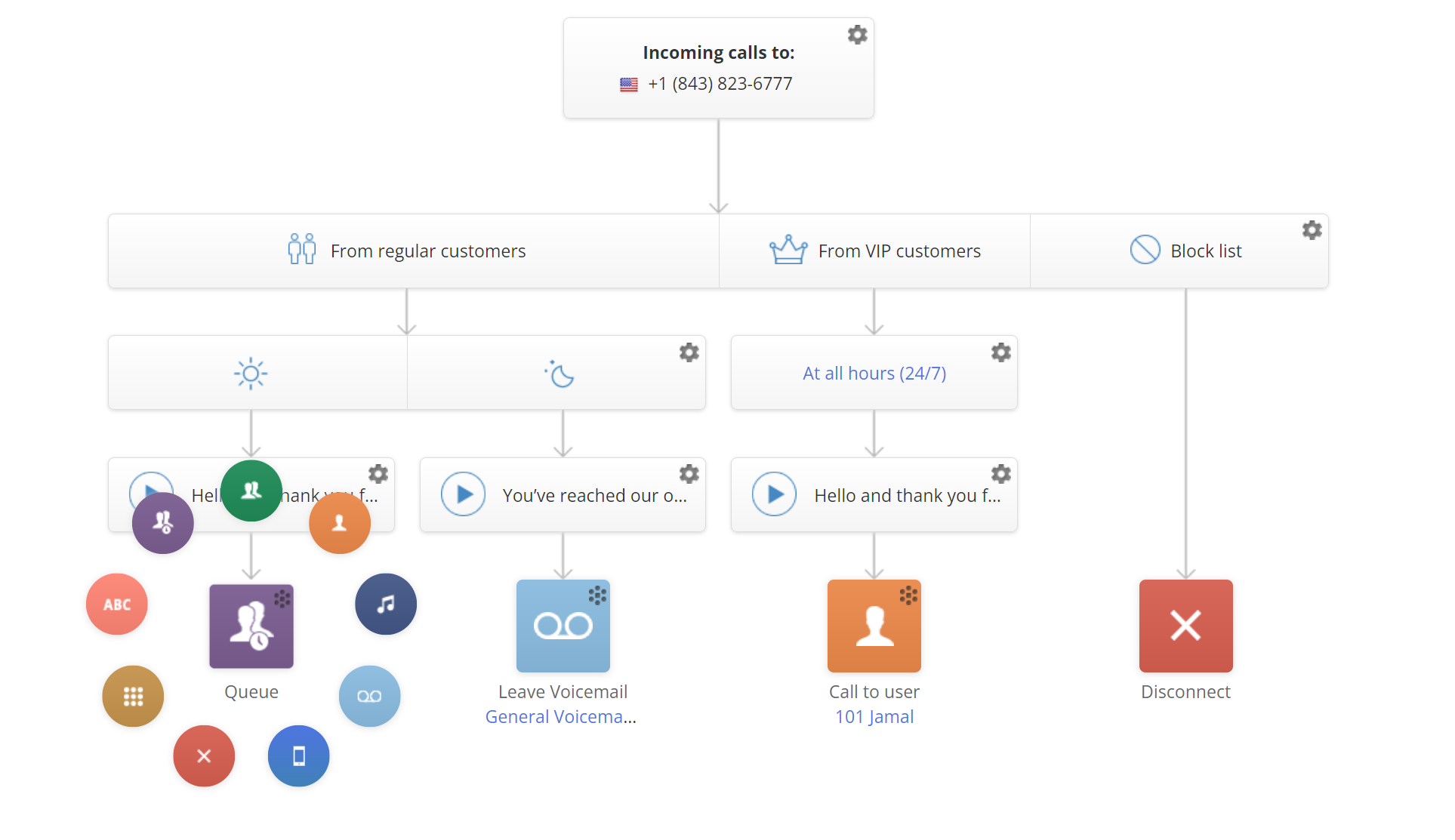
- Call routing. Omnivoice can direct incoming calls to a user, group, queue, voicemail, IVR, or non-Omnivoice number. This helps the line send each call to the right destination based on the company’s Call Flow.
- Roles and permissions. The feature lets businesses control which parts of the Omnivoice account each team member can access. Administrators can assign different access levels for calls, messages, business phone numbers, user management, and other settings, helping teams limit sensitive controls to the right people.
- Voicemail transcription. Omnivoice can convert voicemail messages into text that users can read in the web panel, email, or mobile app. This is handy when listening to audio is inconvenient or when a team needs to scan messages.
- CNAM. Your registered business name can appear alongside your local number on outbound calls. This can help recipients recognize who is calling before they answer.
- Call queue. Incoming calls can wait in a queue until a team member is available to answer. This helps businesses handle periods of higher call volume without sending every unanswered caller directly to voicemail.
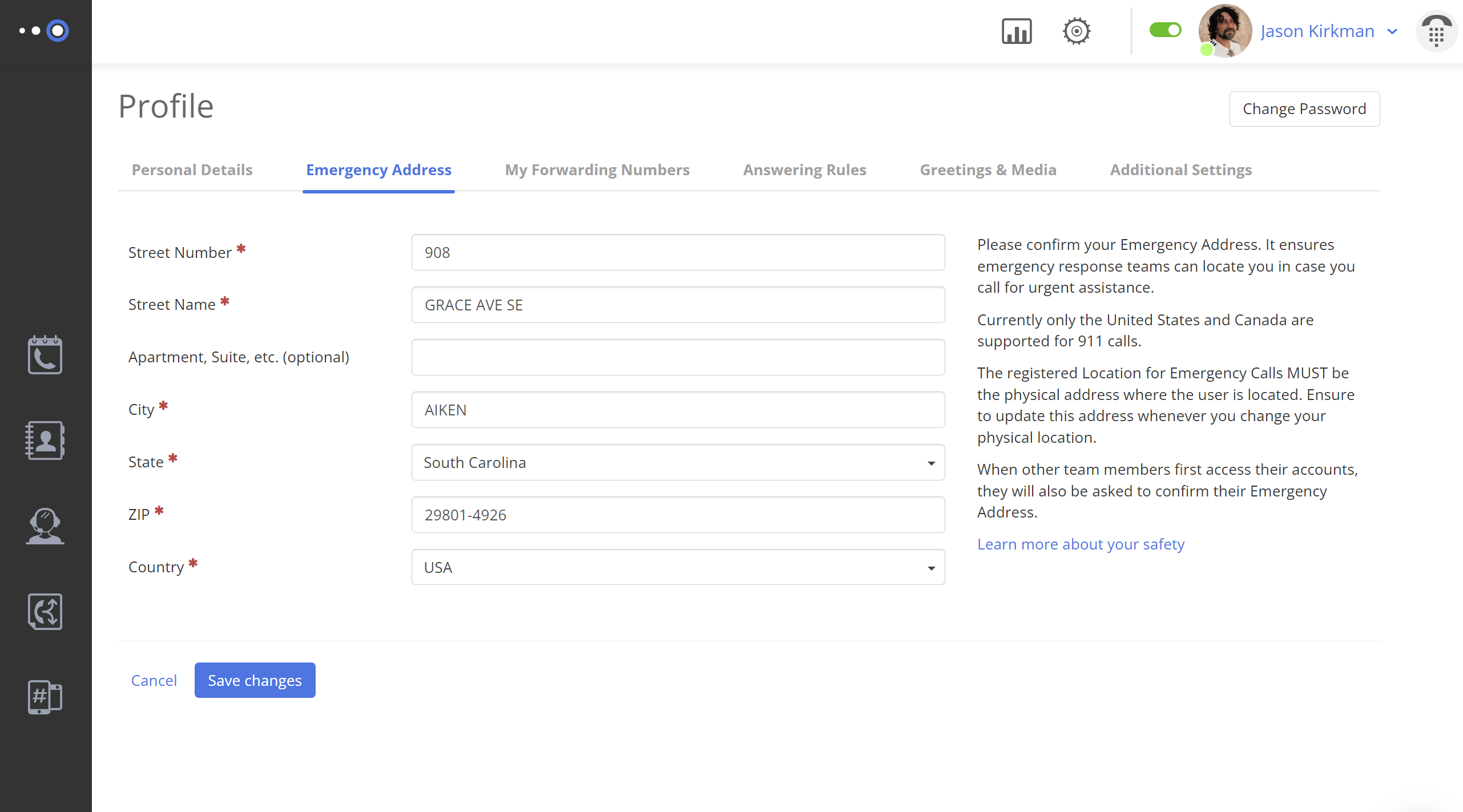
- E911. Businesses can associate an emergency service address with a supported phone number so emergency calls include location information. This is especially useful for cloud-based teams that need 911 support connected to a defined address.
You Can Port Your Existing 330 Area Code Phone Number
If your business already has a 330 phone number, you can move it to Omnivoice rather than replacing it. Transfer time can vary by carrier, number eligibility, and the accuracy of the information submitted.
- Confirm that the current number is eligible for porting.
- Gather the current carrier account number, PIN, service address, account holder details, and other required carrier information.
- Prepare a recent invoice from the current carrier.
- Complete the Letter of Authorization and submit your number porting request with the required documents.
- Keep the existing phone service active while the request is processed.
- After the transfer is complete, test both inbound and outbound calls before ending the old service.
330 Area Code History and Overlays
The 330 area code entered service under the North American Numbering Plan (NANP) on March 9, 1996, after northeastern Ohio was split from 216. As demand for telephone numbers continued, carriers introduced area code 234 as an overlay in 2000 rather than forcing another geographic split.
Both area codes now serve the same territory, and local calls in the overlay region require 10-digit dialing.
| Area Code | Location-Based? | Trust Factor | Known Risks |
|---|---|---|---|
| 330 | Yes — northeastern Ohio | High — long-established and widely recognized locally | New numbers in the original code may have more limited availability than numbers across the full overlay pool |
| 234 | Yes — same geographic territory | Moderate — valid local overlay but less familiar to some callers | Some callers may be less familiar with 234, and the overlay requires 10-digit dialing |
Connect with More Ohio Customers
A 330 phone number gives your business a recognizable regional presence in northeastern Ohio. For businesses planning to strengthen their position or expand their customer base in the region, a local area code provides a practical way to present a clear connection to the market while keeping communication under one business contact point.
Choose a plan and start a free trial when you are ready to build a stronger local presence with your business number.
Other Ohio Area Codes Available in Omnivoice
A few more Ohio area codes you can explore:
- 216 — Cleveland
- 220 — Zanesville, Athens, and southeastern region
- 419 — Toledo and northwestern region
- 440 — communities around Cleveland and the Lake Erie region
- 513 — Cincinnati
- 614 — Columbus
- 740 — central and southeastern region
- 937 — Dayton and Springfield
Other USA Phone Codes
Omnivoice offers regional numbers across many U.S. area codes, so companies can add regional contact points as they enter new markets.
FAQ
For calls within the United States, use the 10-digit format: 330 area code followed by the seven-digit local phone number. Because 234 overlays the same territory, local callers in the Akron region use 10-digit dialing. From abroad, use the U.S. country code +1 before the full number.
Omnivoice supports several connection and forwarding options. The mobile app can use cellular calling when there is no internet, though that method places the call from the user’s cell number rather than the business line. Companies can also configure an extra forwarding number as a backup for unstable network conditions.
Scammers can spoof any number from many U.S. area codes, so the phone area code itself does not prove who is calling. A spam call may also appear to come from a familiar local number, including one with a 330 area code. If a caller asks for sensitive information or urgent payment, verify the organization through a trusted contact method before responding, and block repeat unwanted callers when appropriate.
Yes, subject to current number inventory. Omnivoice plans currently include two local or toll-free numbers, and additional U.S./Canada number slots are available for an extra monthly charge. Multiple lines can support separate departments, campaigns, or business locations.
The virtual line looks like a standard one to the person receiving a call. The area code doesn’t reveal whether the number is delivered through VoIP, a landline, or another service, and it doesn’t verify the company’s physical address.


FAST • SECURE • RELIABLE
business communications